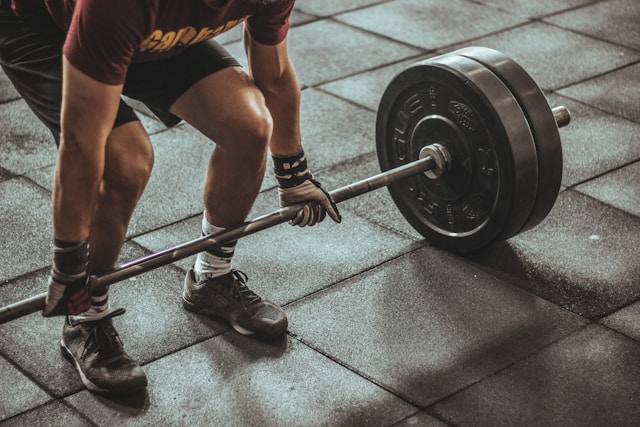
A rewarding and empowering pastime that is also very good for your health and wellbeing is lifting weights. Lifting weights, a type of resistance exercise, improves functional mobility, builds muscle, increases strength, lowers the risk of many diseases, prevents pain and injuries, and increases self-confidence and mental health.
As with other pastimes, the more you do it and practice, the more proficient you become and, generally speaking, the better the outcome. There are, however, restrictions on how much good you must or ought to do in order to get the greatest outcomes.
It’s possible to overdo consistency, even while it’s essential for creating positive habits and achieving your objectives. The advantages of lifting weights on a regular basis, possible hazards, and methods for incorporating weightlifting into your daily routine are all covered below.
Women Are Absent

Resistance training should be done at least twice a week, targeting all major muscle groups. Only 20% of women, according to some statistics, engage in resistance exercise of any kind two or more times per week, which is less than the percentage of Americans.
Weightlifting’s Advantages for Women
There are several advantages to lifting weights, and researchers are always coming up with novel methods to enhance health and wellbeing. Lifting weights improves cardiovascular and metabolic health, which lowers the risk of chronic disease and death from all causes, just like any other type of exercise.
Your metabolism is boosted when you lift weights, and this helps you reach and stay at a healthy weight. Consistently lifting weights will increase calorie burning, even at rest, because it can assist build and keep muscle when eating less calories during weight loss efforts. Additionally, lifting weights improves your body composition by lowering visceral and subcutaneous fat and increasing your capacity to use fat as fuel (fat oxidation and lipolysis).
Boosts Power
Your body can accomplish any action with the help of strong muscles, including walking, carrying, running, climbing, lifting objects, and opening annoying jar lids. However, as people age, their muscle mass and strength start to decrease. It’s essential to use resistance exercise to maintain strength and gain muscle as you age.
Being strong and capable enhances your everyday life, even if you don’t take into account the aging process. In many respects, it enables you to be self-sufficient, feel empowered, and complete things more easily. In addition to providing superior joint protection, stronger muscles can also facilitate and ease basic activities like walking.
Increases Muscle
The process of building muscle tissue involves generating a stimulus that compels the muscle to change in response to external pressures. Lifting weights or engaging in any type of resistance training is the most effective approach to accomplish this. Building muscle with weights is incredibly efficient, effective, and trackable.
Cardiovascular activity without resistance training is ineffective for muscle growth, although being beneficial for many other reasons. 10.
Because low levels of lean body mass, which includes muscle and bone, raise your risk of chronic diseases, injuries, pain, and all-cause mortality, gaining muscle improves a number of aspects of your health. Building the muscle that will increase your longevity and improve your health requires lifting weights.
Enhances Bone Health

Additionally, lifting weights boosts bone mineral density and promotes bone growth. As a first-line treatment for bone-related disorders, lifting weights has been demonstrated to alleviate lower back pain as well as fibromyalgia and arthritic discomfort.
According to a study in the Journal of Bone and Mineral Research Plus, certain training regimens are both safe and beneficial for enhancing bone health. Over a ten-year period, male sprinters aged 40 to 85 were the subjects of the study. Bone strength increased for those who lifted weights throughout that period.
This study demonstrates that lifting weights can both maintain and grow bones, despite the fact that bones normally lose density and strength with aging. On the other hand, bone density and strength decreased in those who did not continuously maintain their exercise routines during the study.
Even though that particular study was carried out on active males who were less likely to experience bone loss, other studies, such as those looking at women with low bone mineral density, osteopenia, and osteoporosis, show that lifting weights increases bone density and improves painful conditions that lead to bone fractures and breaks.
Prevents Pain and Injuries
Most people experience pain and injuries at some point in their life. Up to 80% of persons will have back discomfort at some point in their lives. By increasing muscle and tendon strength and functionality, lifting weights lowers your risk of discomfort and injury and improves your ability to move, recuperate, and bounce back. Furthermore, compared to instrumental therapy like heat or spinal manipulation or pharmaceutical treatments like opioids, lifting weights can better avoid and control discomfort.
The main causes of pain and damage include weak hip, shoulder, and general muscles, weak core muscles, and dormant “sleepy” muscles. Long-term sitting causes the body’s muscles to become weak and taut, which can result in dysfunction, muscle compensation, and an increased risk of injury. Regularly lifting weights is a great way to counteract these impacts.
An additional benefit of weightlifting is increased muscle endurance. Increasing your muscular stamina or endurance helps with functional performance, enhances your performance in the gym, and lowers your chance of musculoskeletal ailments. It even protects against heart conditions.
Possible Hazards and Perils of Daily Weightlifting

Although a regular weightlifting regimen is beneficial, lifting weights daily can cause discomfort, injuries, and exhaustion because your body’s energy reserves and self-healing capabilities cannot keep up with the demands. If your daily weightlifting exercises are too strenuous, you can also experience the side effects of overtraining. Insomnia, painful muscles, mood swings, irregular menstruation, heightened sickness, appetite loss, exhaustion, and more are all consequences of overtraining.
Your body recovers and adapts during rest and recovery so that it can meet demands and function better the following time. Additionally, it gives tissues like ligaments and joints time to heal, preventing the onset of overuse pain.
Even if you might be able to lift weights every day if you chose a less demanding weight-lifting program, it’s unlikely that you’ll get the finest results. This is due to the fact that muscle adaptations that result in strength and growth are best produced when a specific amount of stimulus is applied throughout each training session. Spreading out your total workout volume too much could make it harder to achieve your desired outcomes.
If lifting weights consumes too much of your time that could be used for other everyday duties and obligations, it may also have a negative impact on your mental health. It’s great to set aside time for yourself every day, but it might be wiser to use some of that time for personal development, stress-relieving hobbies, and other self-care practices. It might even improve the outcomes of your weightlifting workouts by speeding up recovery.
A 24- to 48-hour recovery interval is recommended by research before retraining the same muscle groups. Muscle growth and repair are facilitated by this respite from stimulation, which improves your general physical and mental well-being. 25 On rest days, though, you are not required to do nothing. Instead, go for stress-reduction and recovery-promoting activities like swimming, walking, mild yoga, or mobility exercises.
How to Make Lifting Weights a Part of Everyday Life

Starting with two or three days of weight training and gradually improving your tolerance to raising the total volume (sets, reps, and weight) is the first step in integrating weightlifting into your daily routine. To properly complete this in a sustainable manner, months may pass. For a more thorough recovery, you will also require a lot of de-loading times during which you take it easy for a week or two.
Use one or two days for extremely mild maintenance exercises if you want to concentrate on lifting weights every day of the week. For example, after five pretty strenuous weightlifting sessions per week, you could do some light resistance band exercises on the other two days, which serve more as training for injury prevention and mobility than as actual strength or muscle building.
Setting goals and making a plan are essential to sticking with your weightlifting activity. A key step in the process is determining what you hope to gain from your weightlifting regimen and how much time and energy you now have available (or can generate) to be consistent. To succeed, maintain your motivation and push toward your objectives by using models like SMART goals and behavior modification techniques like positive psychology and self-determination (thinking you are in charge and can achieve what you want).
A great method to take care of yourself and enhance your physical and emotional well-being is to lift weights. Consistently lifting weights will not only improve your current quality of life, but it will also show its benefits for years to come.
Although being active every day is a fantastic idea, it’s better to spend some of those days engaging in less demanding activities that enhance your physical and emotional well-being and facilitate your recovery. To get help designing a program that fits your lifestyle and level of fitness, speak with a personal trainer. You should always get authorization from a healthcare physician before starting any new activity.