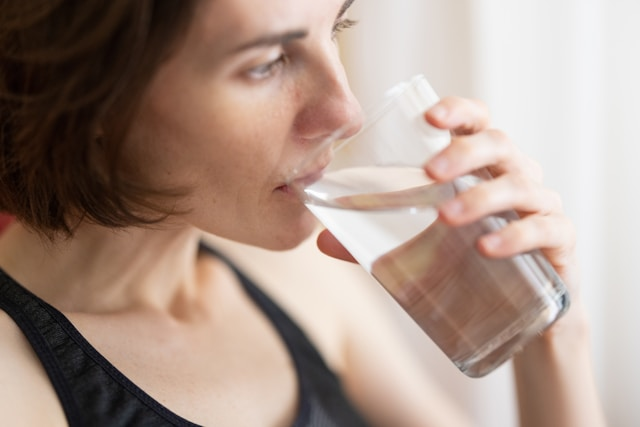
In an effort to stay hydrated, you’ve undoubtedly seen runners and other athletes carrying around gallon-sized water bottles of water. Even while it’s crucial to drink water, you could question whether the recommendations for inactive and active people differ all that much.
It becomes a little more nuanced because there isn’t a universally applicable guideline about the amount of water that athletes should consume.
With the premise that the “rules” might vary from day to day and from person to person, these principles assist in outlining hydration on individual needs and activity level. Here is all you need to know about athletes’ hydration, including how to calculate hydration and when to hydrate.
Advice for Athletes on Hydration

The problem about being human is that each person is unique. Although water makes up over 60% of the human body, a person’s water content varies depending on their age, gender, and physical composition.
Similarly, Each person has a unique sweat rate, which causes them to fluid lose at various amounts when they are active. Additionally, a person’s level of fluid loss varies depending on the type, intensity, and environment of their exercise. A person running a marathon in hot weather is likely to lose far more water and electrolyte content than someone exercising weights for an hour in an air-conditioned gym.
“Athletes exhibit a wide variability in overall health status, There is no formula for what an ideal amount of fluid consumption is.”
The overall picture must be taken into consideration because endurance events can vary in terms of temperature, humidity, duration and intensity of activity, access to fluids, and other factors.
The three categories of an athlete’s hydration guidelines are specifically pre-hydration (drinking fluids prior to exercise), fluid intake during exercise, and rehydration post-exercise. By focusing on all three, you can lower your risk of dehydration during or after an athletic event, which may result in decreased performance or associated health issues.
The pee test and weigh-ins before and after exercise are the two main methods to assess your level of hydration and identify your needs.
To help stay hydrated for exercise, use these two measures in conjunction with the other fluid intake guidelines. Note that thirst is a late response to dehydration, particularly in older adults, and is not a suitable indicator for athletes and active people to determine whether they should be drinking more fluids.
Test of Pee
Urine is a good indicator of your level of hydration; if you urinate often and it’s clear or nearly clear, you’re well hydrated; if you don’t urinate often and when you do, it’s dark or a very concentrated yellow, you’re definitely at least somewhat dehydrated.
Being properly hydrated prior to beginning exercise is crucial for performance, and it is also a crucial component of the subsequent phase, the pre-exercise weigh-in, which helps ascertain the fluid intake requirements after exercise.
Before and After Workout Weigh-Ins

Weighing in before and after your workout or event allows you to use the weight change to determine your rehydration needs after your workout or event, provided you are properly hydrated before.
Do I Actually Need Electrolyte Drinks? How to Determine My Appropriate Water Intake
The first thing to keep in mind is that athletes have higher water intake requirements than the average person, and your needs will be higher on days when you exercise than on days when you don’t.
Prior to adjusting for exercise, these figures should be the baseline levels of water consumption to aim for, albeit they are averages and do not take into consideration individual variances or environmental influences.
You should next utilize the urine test and the pre- and post-workout weigh-ins to determine your individual water intake needs. This will give you a decent sense of how much more water you should be consuming.
Select Foods That Hydrate
Fruits and vegetables are hydrating foods because they contain a lot of water, which helps you meet your daily water requirements, along with drinking water and other fluids (like green tea).
A combination of water, food, and if required, electrolyte beverages will help you rehydrate after your workout. These items are excellent for supporting basic hydration, but you shouldn’t rely on them to replace water for post-workout rehydration, especially on days when you push yourself.
When to Drink Water

Knowing if you’re drinking enough fluids based on your physical routine can be more difficult than establishing a rigid set of fluid consumption parameters.
A good reusable water bottle can help you keep track of your fluid intake, and you should be consuming before, during, and after exercise, and then adjust as necessary based on specific conditions (e.g., a hot day or a particularly strenuous workout).
Here are some more guidelines regarding the recommended daily intake of water.
Drinking Water Before Working Out
Athletes should start drinking little amounts of water at least four hours before to exercise in order to reach “euhydration,” or being adequately hydrated before beginning an activity. Straws on water bottles make it easier to drink fluids before working out.
In order to improve fluid intake and retention, the recommendation even goes so far as to recommend sodium-containing beverages.
In addition to a regular diet, athletes should drink 500 milliliters of water or sports drink the night before a competition, 500 milliliters when they get up, and an additional 400 to 600 milliliters about 30 minutes before they workout.
Drinking Water While Working Out
The goal of staying hydrated during exercise is to avoid significant fluid loss (>2% body weight loss), which can result in poor performance or possible health issues. However, it is nearly impossible to provide a precise recommendation based on activity, duration, intensity, individual sweat rates, and fluid requirements.
According to both organizations, athletes should aim to “keep up with” their losses by drinking fluids consistently every 15 to 20 minutes while exercising.
To create a customized hydration plan over time, use weigh-ins before and after your workout. For example, if you weigh 2.2 pounds less after a workout than you did before, that’s equivalent to a 1-liter fluid loss. Therefore, the next time you do a similar workout, you should aim to consume a total of 1 liter of fluids during your workout period.
Consume 30 to 60 grams of carbohydrates (not more than 80 grams) per hour, along with some sodium and potassium. another starting point recommendation is to consume 0.4 to 0.8 liters per hour; if you run shorter bouts, this is closer to 0.4 liters per hour.
argues that throughout a workout, athletes should aim to drink approximately 12 to 16 ounces of fluids every 5 to 15 minutes, with the fluids containing 300 to 600 milligrams of sodium and a 6% to 8% carbohydrate solution.
Those who engage in longer, more strenuous workouts—particularly in hot or muggy conditions—may want to use an insulated water bottle and make plans to drink more fluids more frequently. Conversely, those who engage in less strenuous workouts in less taxing settings tend to consume fewer fluids on a less frequent basis.
Hydration Following Exercise

The goal of post-exercise rehydration is to replenish the fluids and electrolytes lost during exercise. You should drink three cups of water for every pound you lose during exercise.
This doesn’t have to be done all at once; it can be done gradually after your workout, to finish before your next workout to make sure you’ve rehydrated properly. Sparkling water is another good substitute for plain water.
After your workout, you should be able to regain euhydration by following your normal eating and drinking routine, but if you need to rehydrate quickly (for example, between basketball games during a tournament), you should drink approximately 1.5 liters for each kilogram of body weight lost prior to exercise.
Thirst does not indicate dehydration. “Just because you don’t feel thirsty doesn’t mean you’re hydrated.” This is especially true during prolonged sports activities, when your body may lose more fluid through perspiration than it does in response to the thirst signal.
Is It Better to Drink Electrolytes or Water?
Although water is a great drink for rehydrating, you lose electrolytes as well as water when you perspire, which is why many athletes prefer electrolyte drinks to water to rehydrate after strenuous exercise.
To make sure your body heals properly, you must correct this imbalance. In the situations indicated below, you should think about rehydrating with fluids that contain electrolytes.
Spend More Than 90 Minutes Working Out
If you work out for more than 90 minutes, you’re putting more strain on your systems and sweating off a lot of water and electrolytes, which won’t likely affect performance if you work out for shorter periods of time.
After your workout, you may easily replenish the losses with water and a regular diet, but as you begin to record those longer sessions, your body will want an electrolyte boost in addition to water.
Working Out in Warm Weather
Workouts on hot days cause more fluid and electrolyte loss because your body employs sweat, its natural cooling mechanism, to prevent your body temperature from rising.
It is best to add carbohydrates and electrolytes to your fluid consumption if you’re exercising in the heat, especially for longer than 60 to 90 minutes, to prevent dehydration and the immunosuppressive effects of intense exercise.
Working Out at Altitude

You may not have considered it, but exercising at higher elevations causes more fluid loss. This includes increased respiratory water loss as well as sweat loss, which is comparable to what you could experience at sea level.
This loss happens because you have to breathe more quickly to get the same amount of oxygen at higher altitudes due to the thinner air, which causes you to exhale more water into the atmosphere.
You may also benefit from electrolyte intake as you rehydrate because the physiological changes that occur when you are exposed to high altitudes for a short time (when you haven’t acclimated to the environment) also alter how your body reacts to exercise.
Fluid Losses Are Common in Athletes
Lastly, athletes with injuries, illnesses, or medical issues (especially those involving diarrhea or vomiting) should think about include an electrolyte-enhanced fluid in their rehydration strategy if they are suffering increased fluid losses for any other reason.
Exercise increases the risk of dehydration, thus it’s critical to monitor electrolyte balance.
There are many sports drinks, powders, and potions available today that promise to replenish the body’s electrolyte stores, but not all of them are made equal. For example, some water flavorings only contain trace amounts of electrolytes, while others contain larger amounts.
These are suggestions to assist you make your drink choices.
- Water from coconuts
- Pickle juice
- Electrolyte tablets or water with electrolyte added
- Dialyte
- Make your own electrolyte drinks by combining water with sea salt, lemon, ginger, and other juices.
- Smoothies with fresh fruits and veggies included
- Fruit juices, especially those that are 100% pure, like watermelon, orange, or tart cherry juice
- Sports beverages
To assist avoid dehydration, athletes must pay close attention to their electrolyte balance and water intake levels. You may get a decent estimate of how much water you need on a personal level by monitoring the color and content of your urine and weighing yourself before and after doing out.
However, if you’re worried about dehydration or aren’t sure you’re drinking enough water, speak with a sports nutritionist or other sports medicine specialist to see if you can obtain a more individualized evaluation.